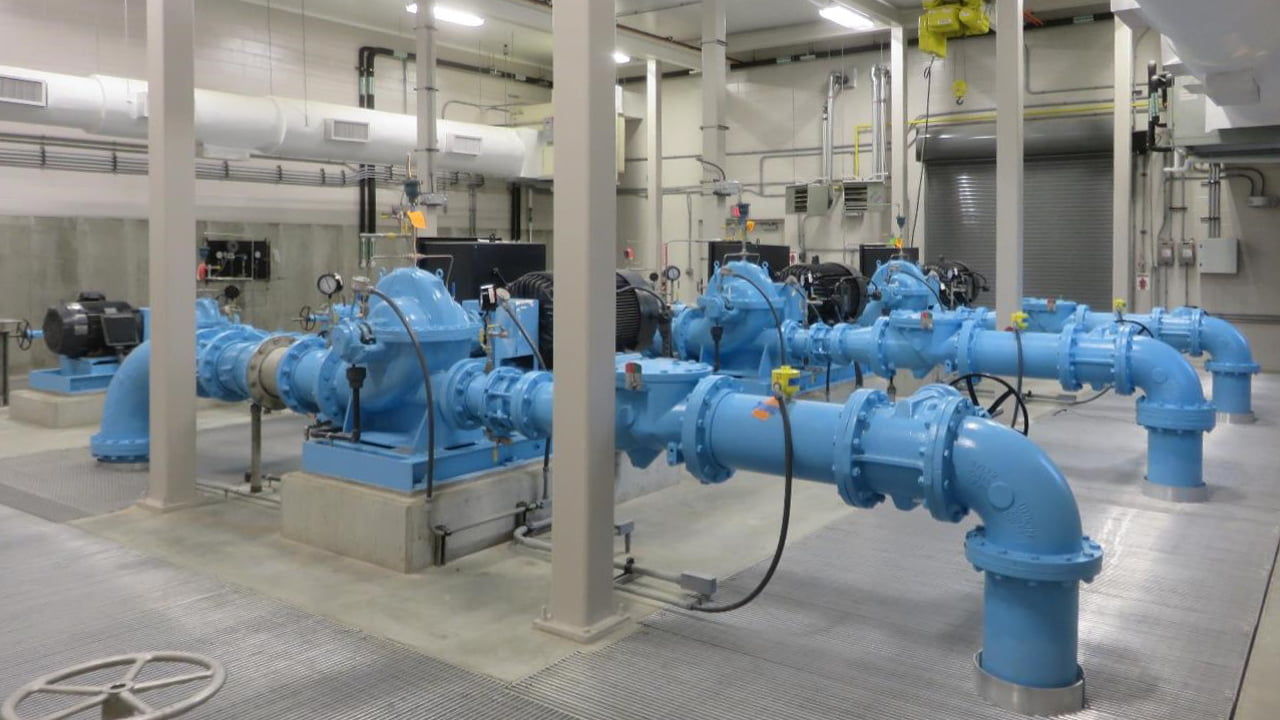
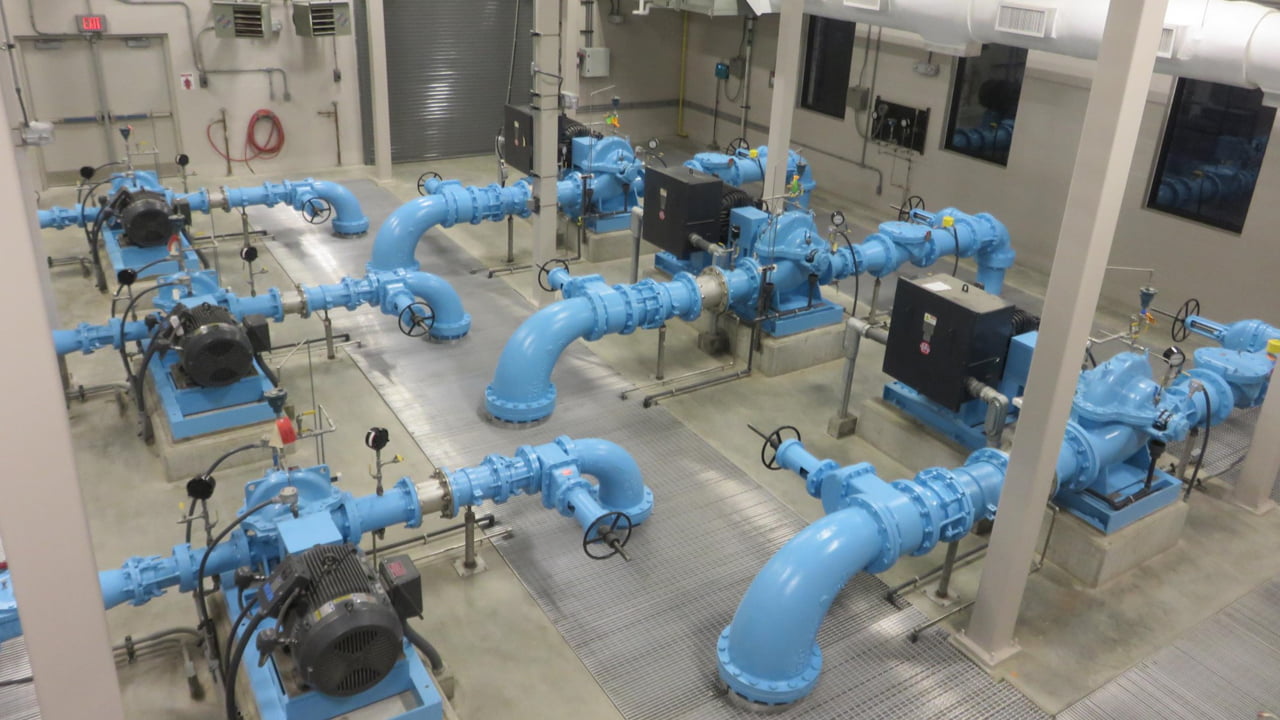
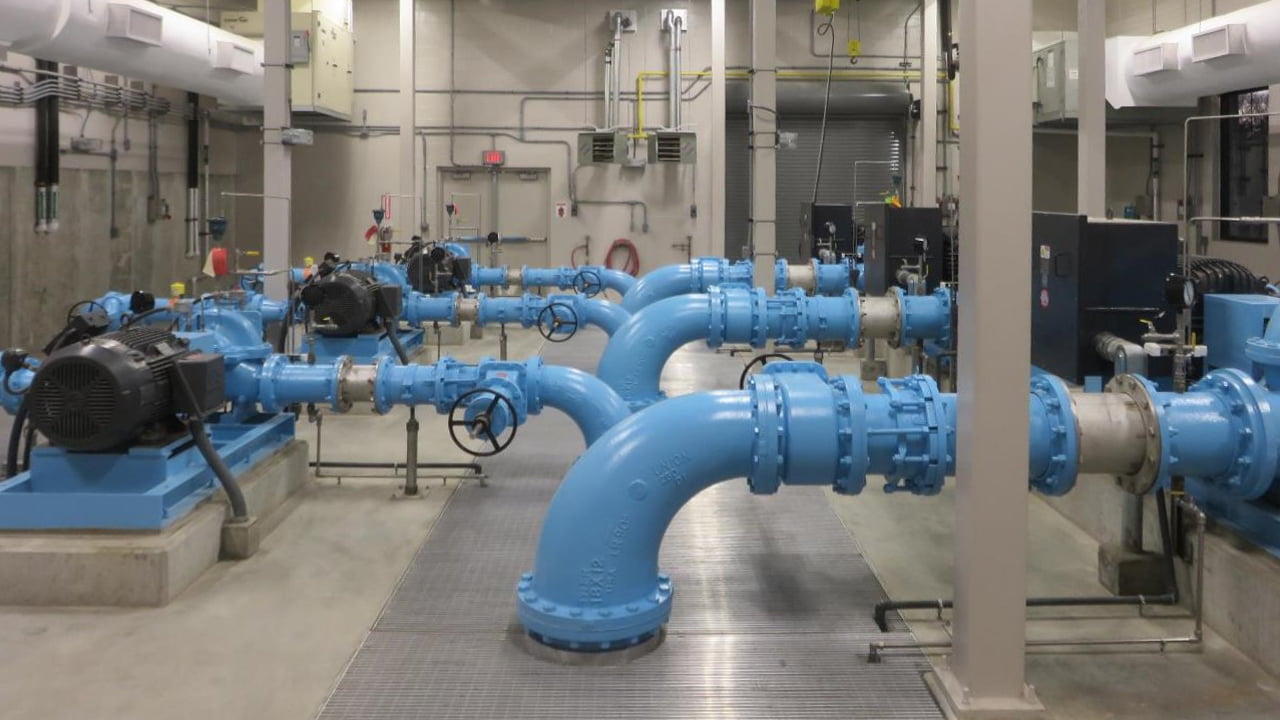
nichols station, trap falls shelton ct, nichols pumping, pump station 5, axial flow tee
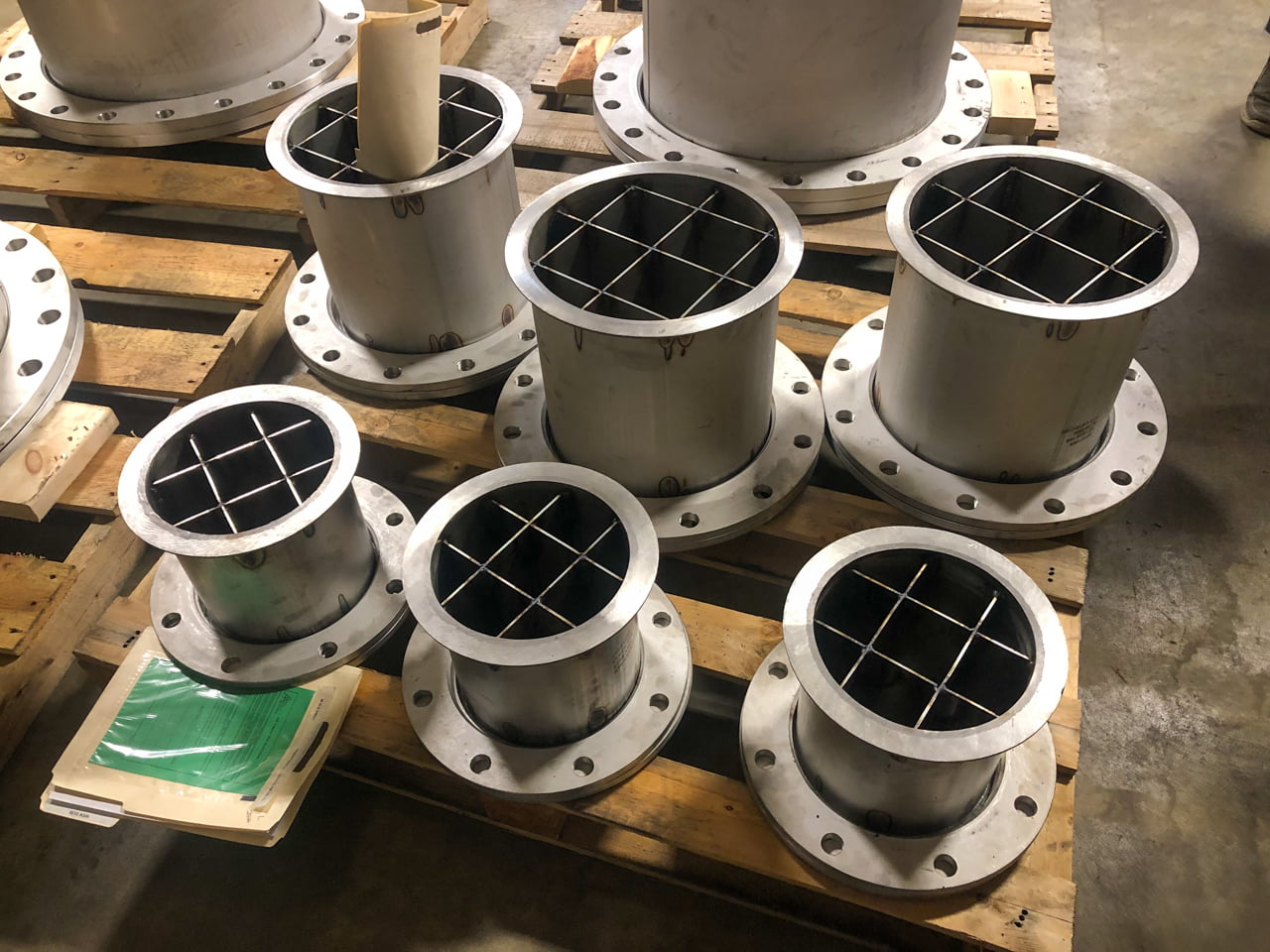
Benefits of the OptiFlow Spool
The OptiFlow Spool offers numerous advantages that enhance the efficiency of pump operations. By straightening and conditioning the flow before it enters the pump, the spool minimizes turbulence and pressure drops, ensuring optimal performance and longevity of the pump system.
In practical applications, users have reported significant improvements in energy consumption and reduced maintenance costs due to the enhanced flow characteristics provided by the OptiFlow Spool. This translates to lower operational costs and a more reliable pumping solution in various industrial settings.
Applications of the OptiFlow Spool
The OptiFlow Spool is versatile and can be utilized across various industries, including water and wastewater management, oil and gas, and chemical processing. Its design is tailored to meet the specific flow requirements of different pump systems, making it an ideal choice for diverse applications.
For instance, in wastewater treatment facilities, the OptiFlow Spool has been effectively used to improve flow conditions in pump stations, leading to better treatment efficiency and reduced wear on equipment. Similarly, in agricultural settings, it helps optimize irrigation systems by ensuring consistent flow rates.
Installation and Maintenance Guidelines
Proper installation and maintenance of the OptiFlow Spool are crucial for maximizing its benefits. It is recommended to follow manufacturer guidelines closely during installation to ensure optimal alignment and sealing, which can prevent leaks and enhance performance.
Regular maintenance checks should be conducted to identify any wear or damage to the spool. This proactive approach helps in maintaining the integrity of the pump system and prolonging the lifespan of both the spool and the pump, ensuring continuous operation without unexpected downtime.
Case Studies: Success Stories with OptiFlow Spool
Numerous case studies highlight the success of the OptiFlow Spool in improving pump performance. One notable example is its implementation in the Nichols & Trap Falls Pump Station, where it significantly reduced energy consumption and improved flow efficiency.
Another case study from a chemical processing plant demonstrated how the OptiFlow Spool minimized cavitation issues, leading to enhanced operational reliability and reduced maintenance interventions. These success stories illustrate the spool's effectiveness in real-world applications, reinforcing its value as a critical component in pump systems.