
CONDITION THE FLOW AT THE PUMP INTAKE
Help control vortices before water enters the pump.
Flow Optimizer Baskets are designed for vertical turbine, axial, and mixed flow pumps. Also called vortex suppression baskets, they condition incoming water to help reduce turbulence and vortex formation at the suction.
Flow Optimizers provides engineering, design, and fabrication for new systems and existing installations, with designs developed through hydraulic laboratory testing and field applications.
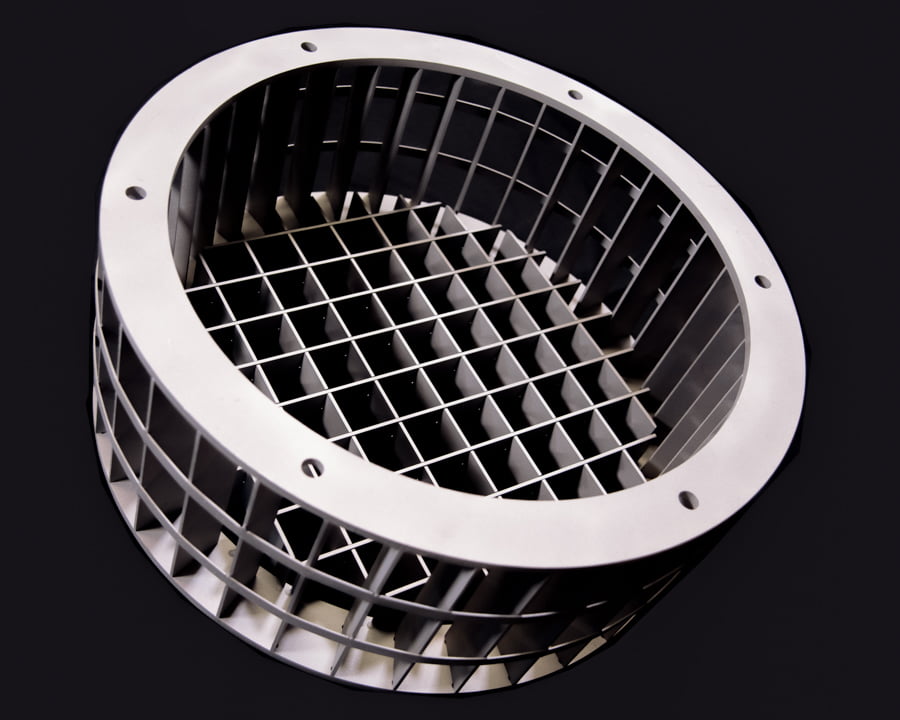
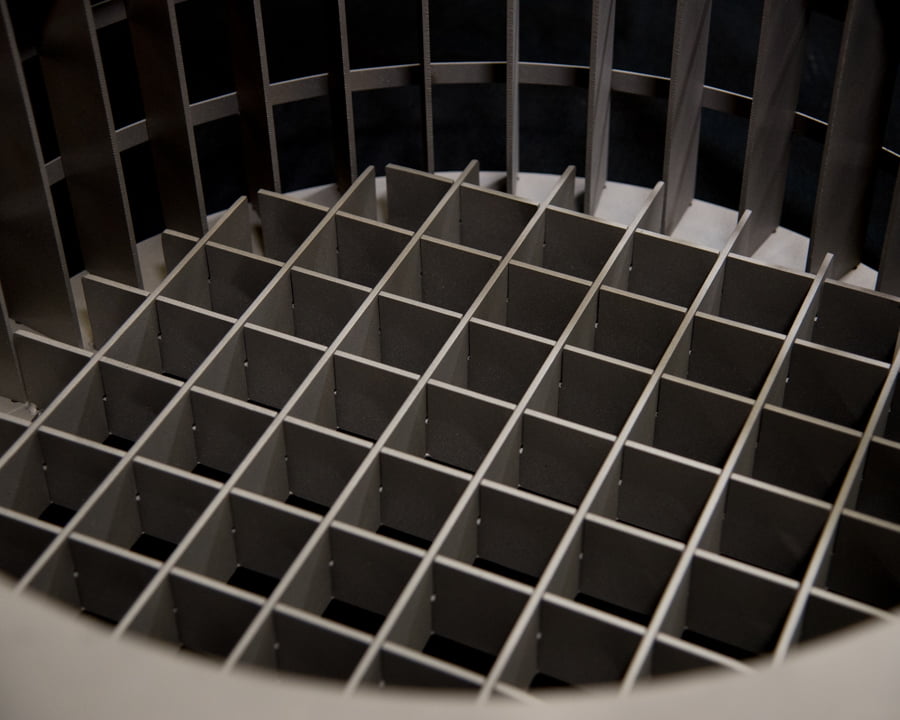
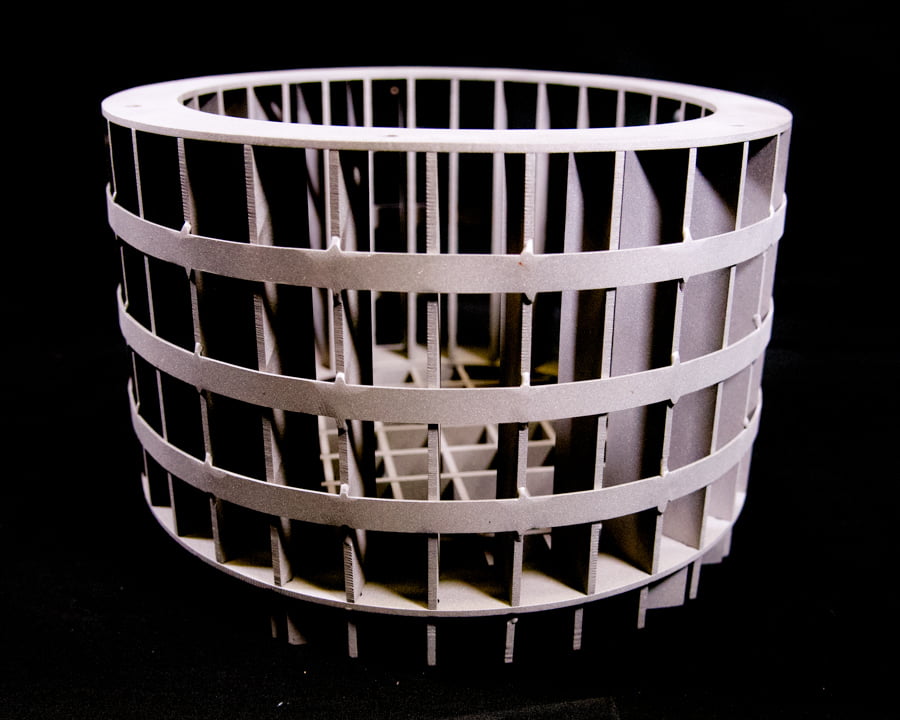
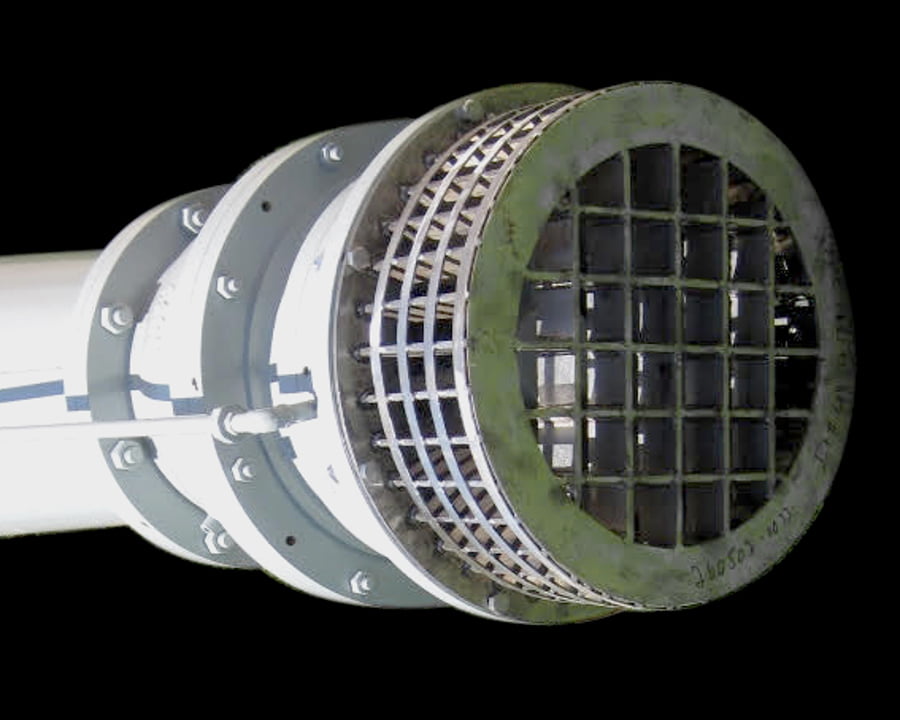
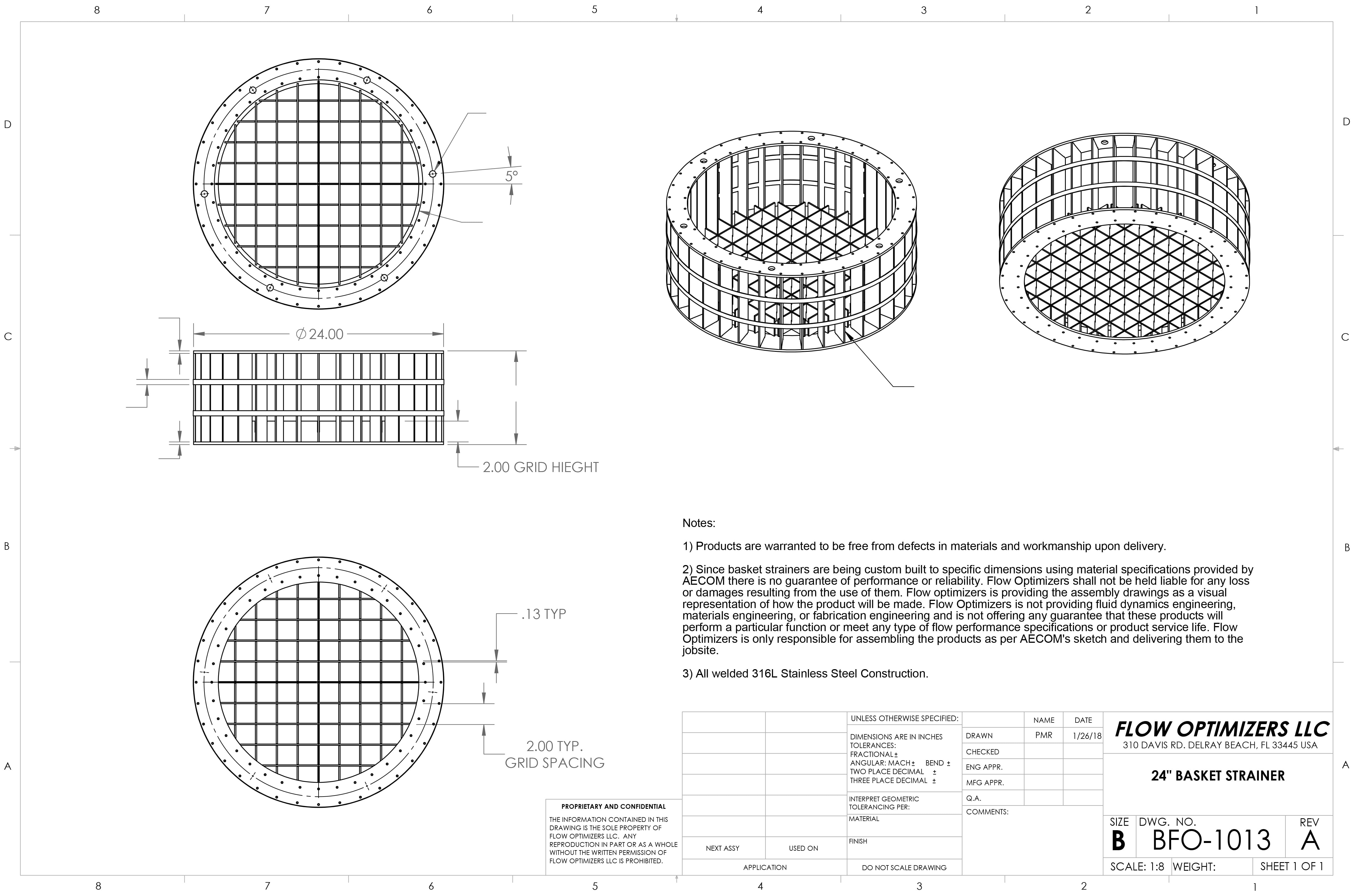
Specifications & drawings
Start with the published design criteria, then confirm the basket dimensions and attachment method for your pump intake.
| Pump intake | Specification covers vertical turbine and axial flow pumps with intake bells 11 inches (279 mm) and larger. |
|---|---|
| Material | Type 316L stainless steel |
| Floor clearance | Minimum 4 inches (100 mm) |
| Basket height | Minimum one-third of the intake bell outside diameter (D/3) |
| Vanes | Spacing varies with diameter; maximum 15 degrees |
| Bottom grating | 1:1 depth-to-spacing ratio; at least 75% open area |
| Headloss coefficient | K = 0.70, as listed in the specification |
| Submittals & review | Certified basket drawing required. Sizes over 18 inches require modeling by a nationally recognized hydraulics laboratory. |
These are the published specification criteria. Final selection and installation require project-specific engineering review.
Flow conditioning baskets in the field
Explore project examples and installation details.


Vortex Suppression Baskets for Vertical Turbine Pumps
Flow Optimizer Baskets keep water moving smoothly into vertical turbine pumps—reducing vortices, protecting components, and boosting efficiency.
Vortex Suppression Baskets, also called “Flow Optimizers,” are installed at the bottom of multi-stage vertical turbine pumps inside the pump can.
Water flows down the outside of the pump, makes a 180-degree turn into the basket, and then enters the pump suction.
This design conditions the flow before it reaches the impeller, helping to prevent vortex formation, reduce wear, and keep the water path through the shaft and bearings clean.
Testing, including a clear plastic model demonstration, has proven the basket’s ability to improve pump performance and reliability in real-world conditions.

Watch the basket demonstration
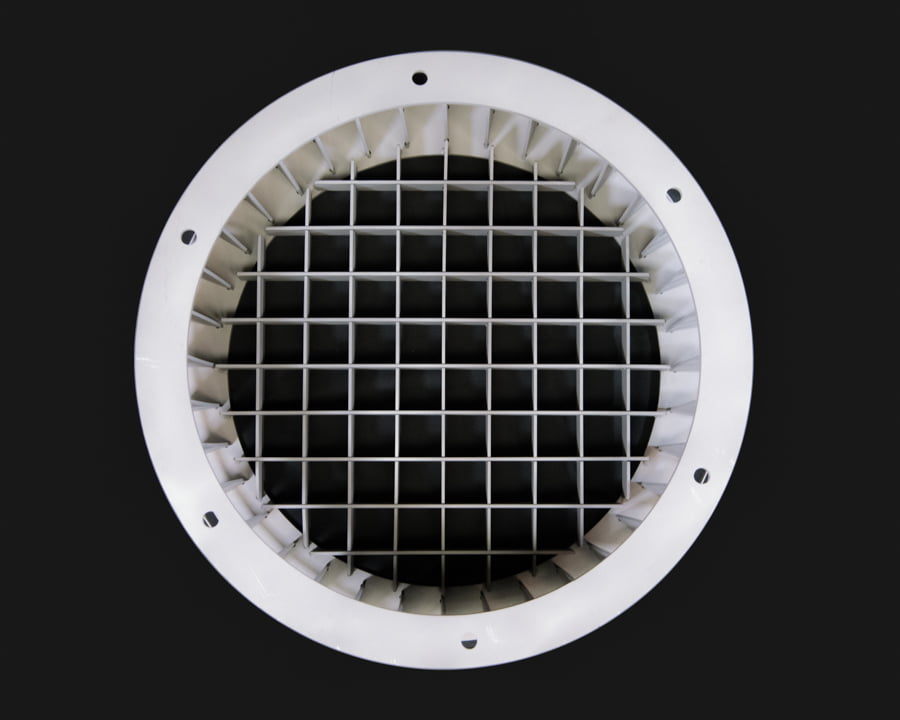
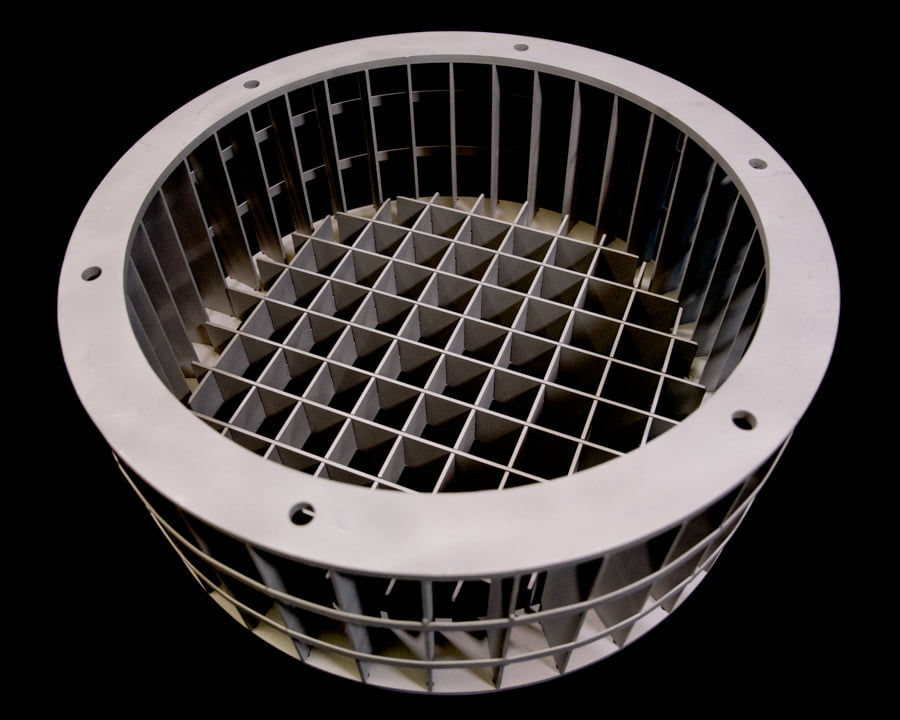
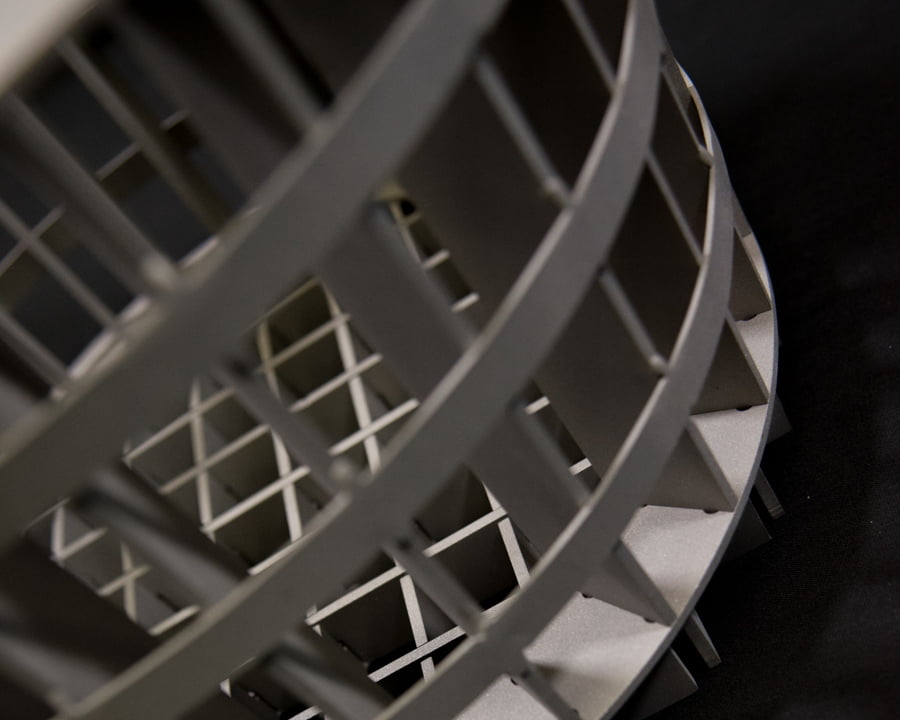
Product details
Explore additional views of the basket, internal grid, and anti-vortexing bands.
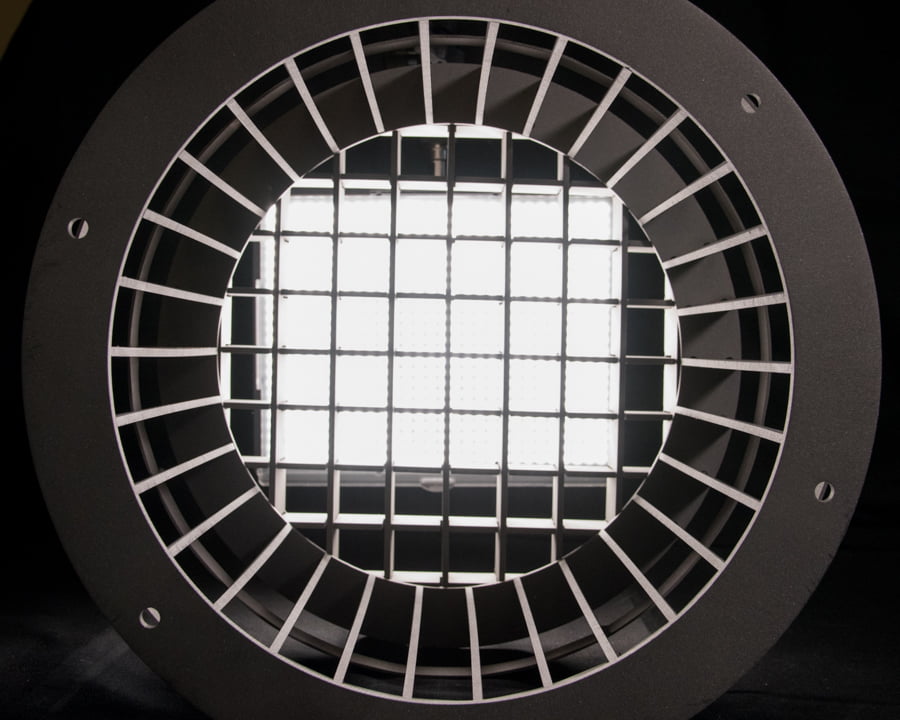
Product development & manufacturing
Research, model testing, and fabrication inform the basket design. Browse the existing development and manufacturing photographs below.
Development & testing


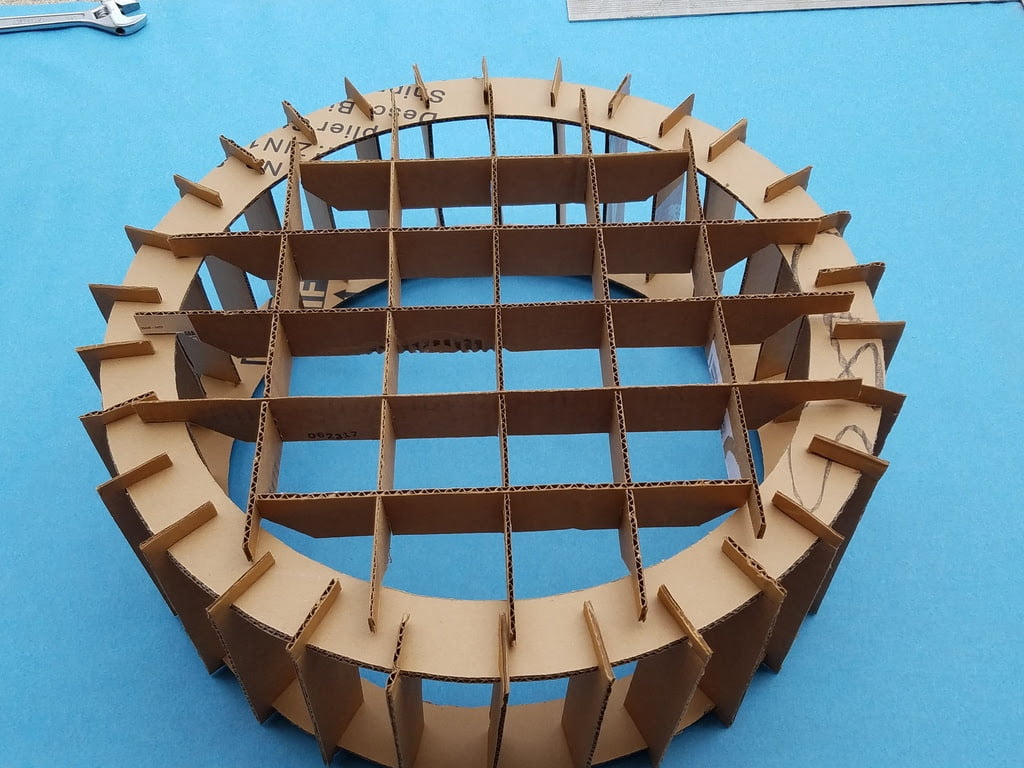
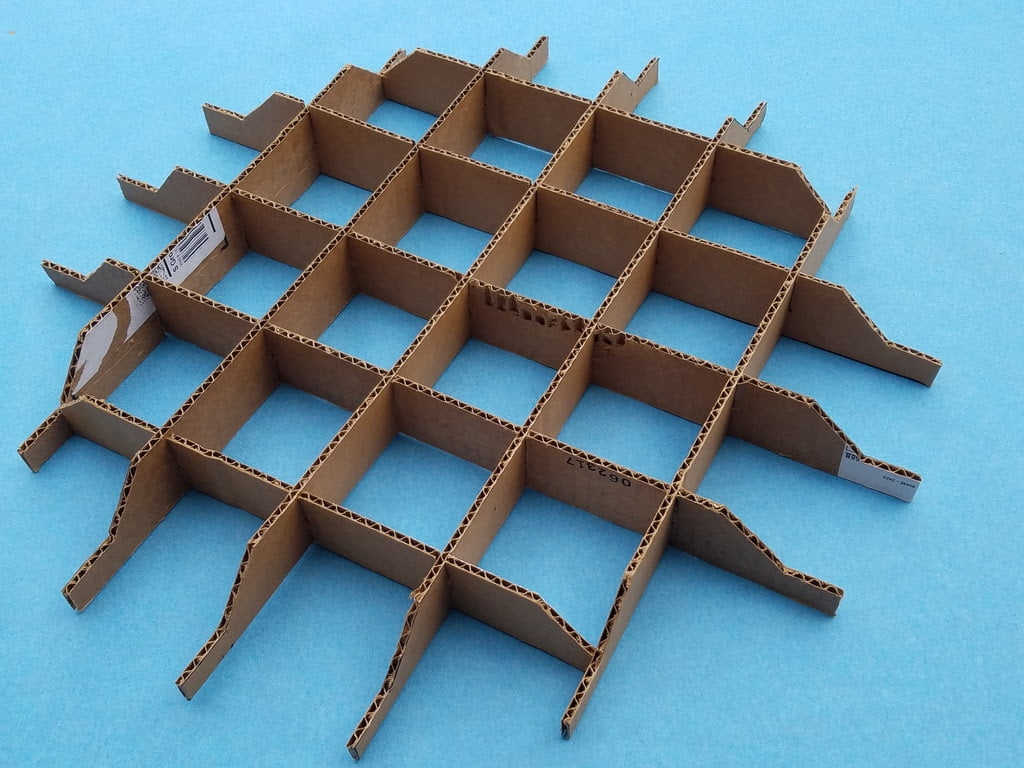
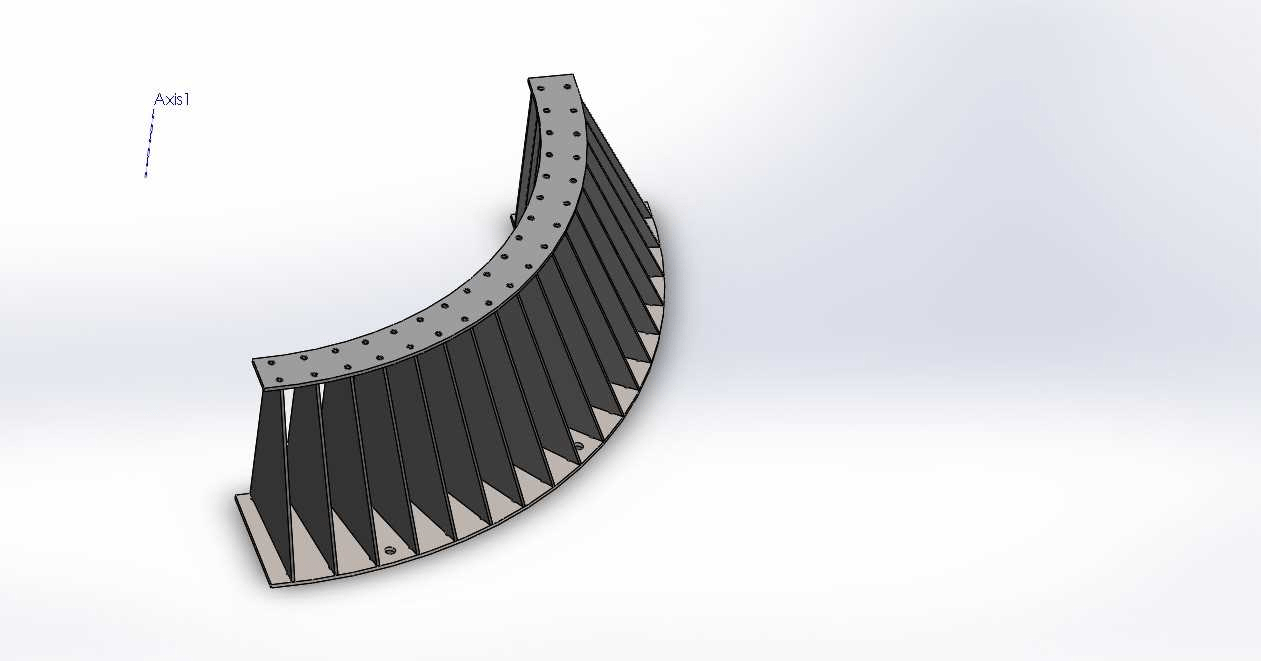
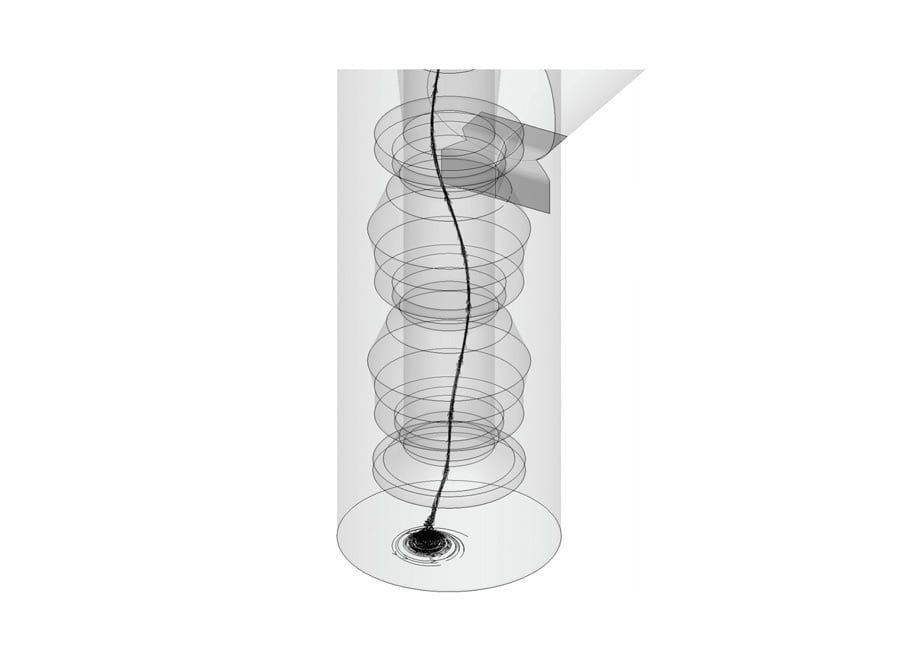
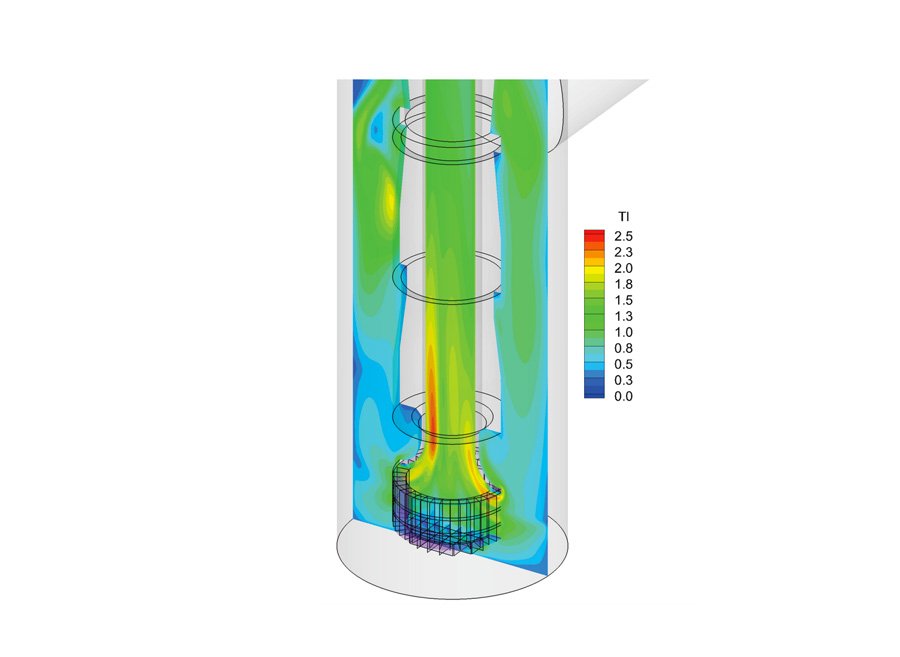

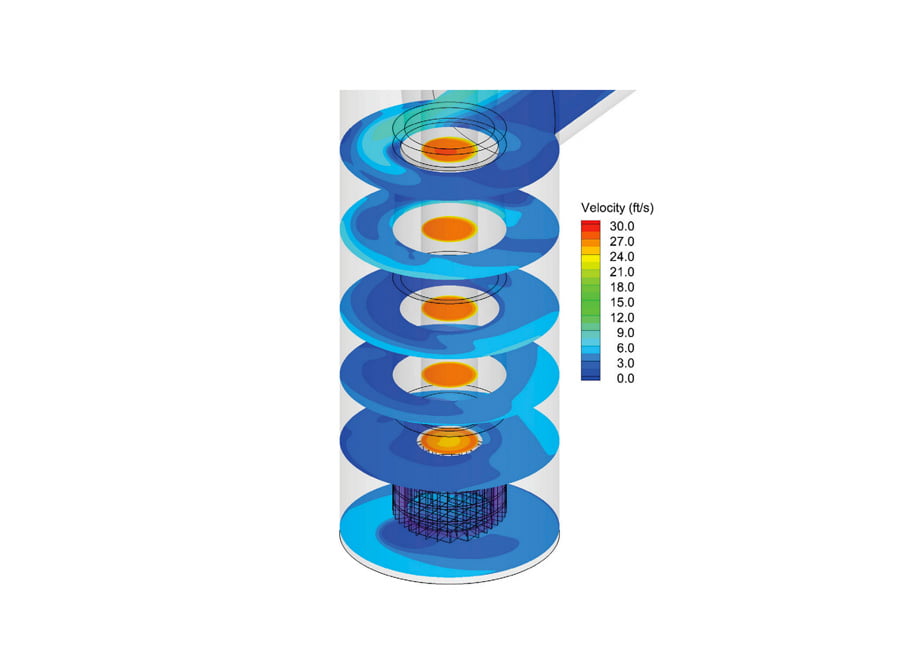
Additional model views
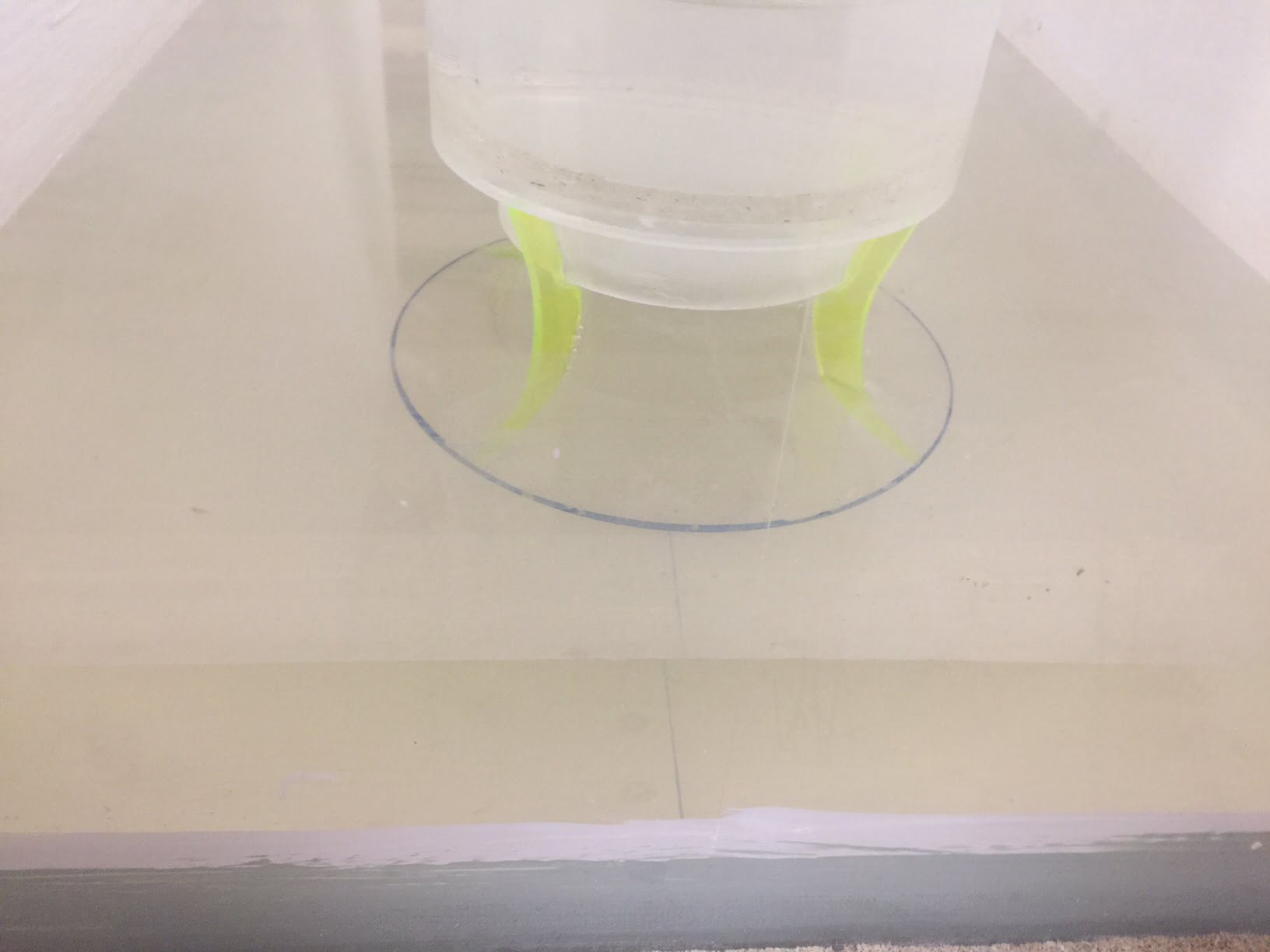
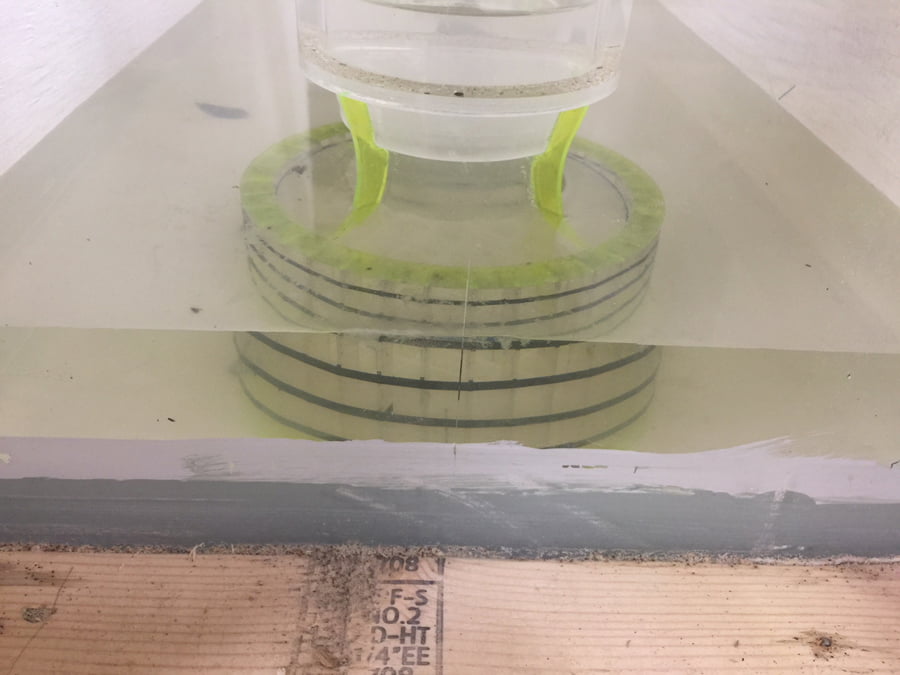
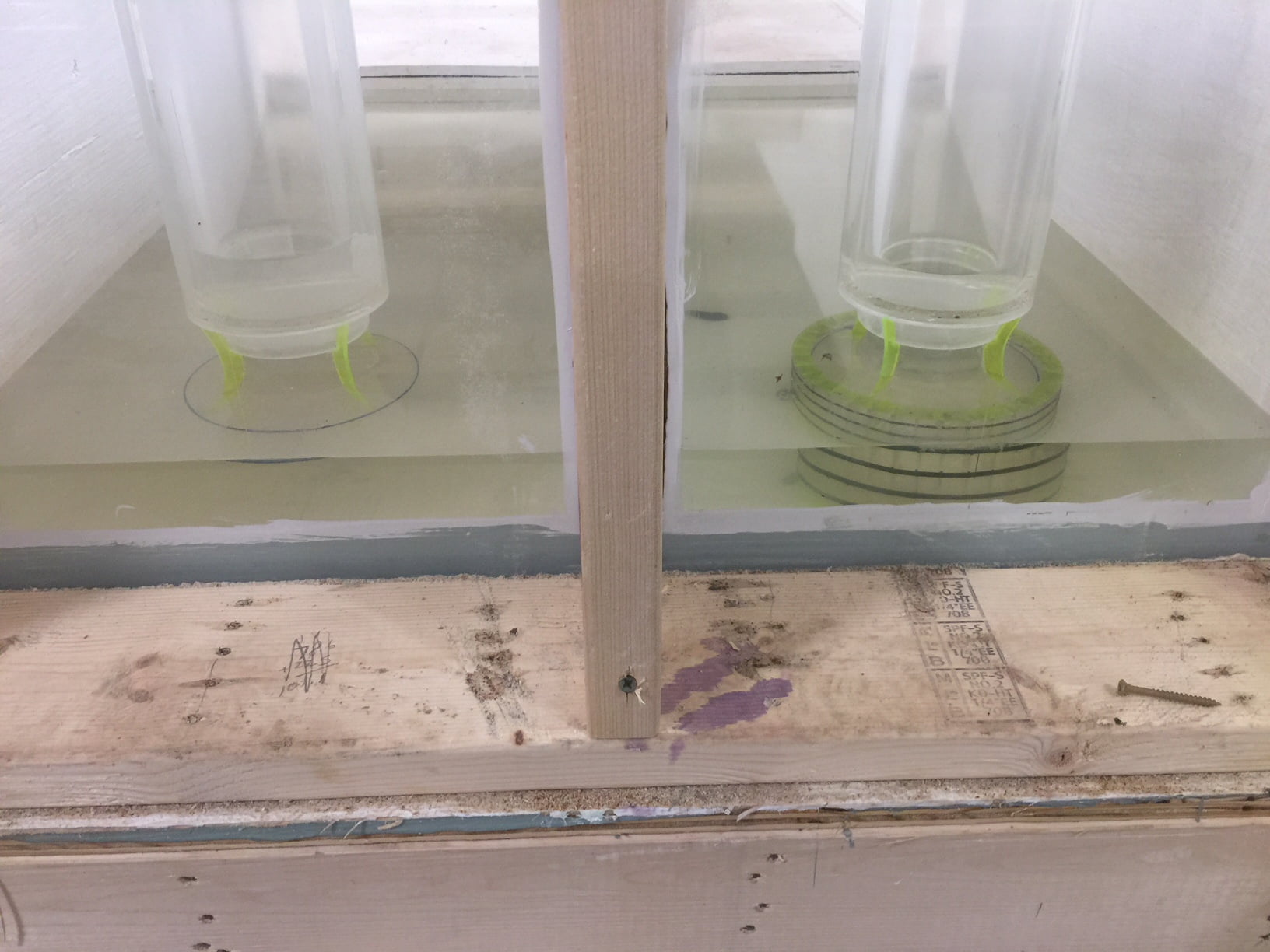
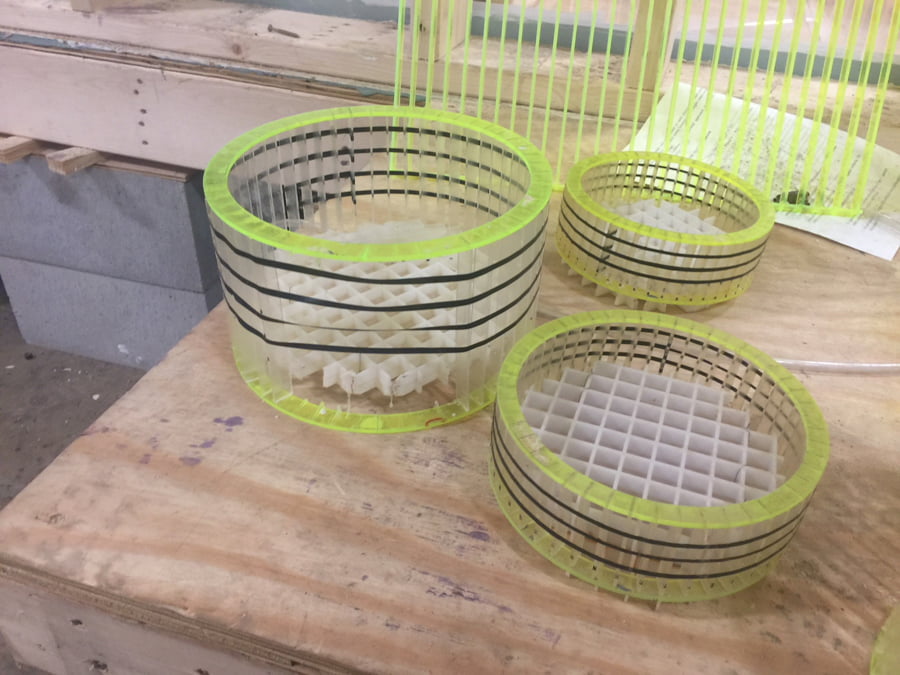
Manufacturing photographs

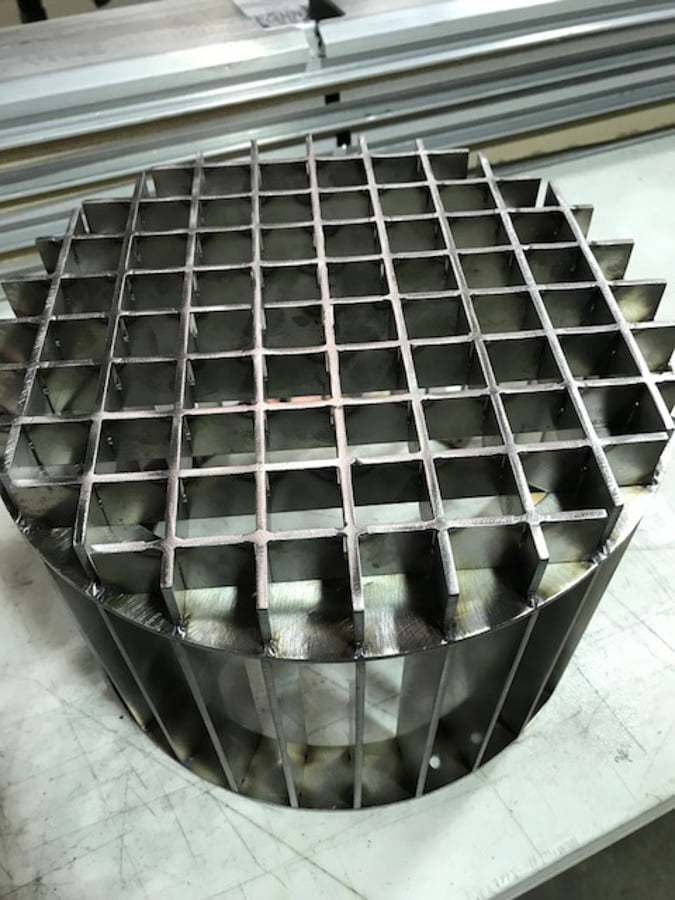
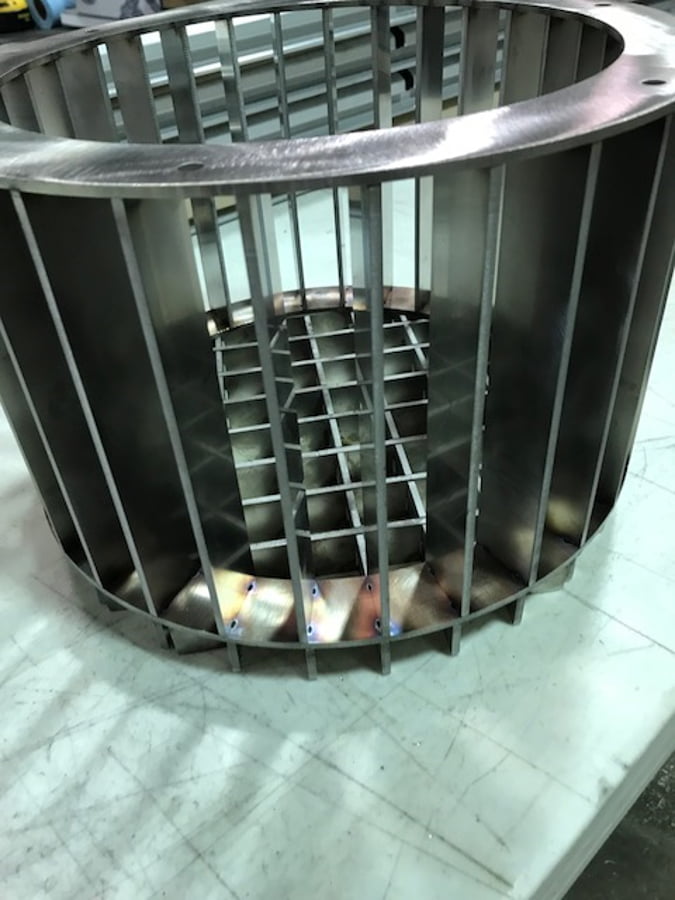

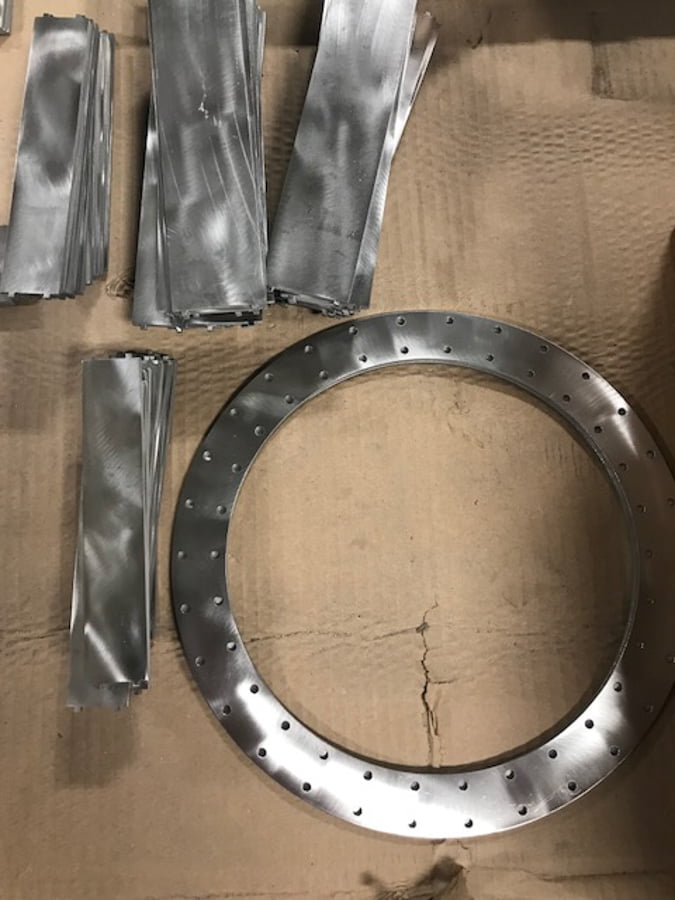
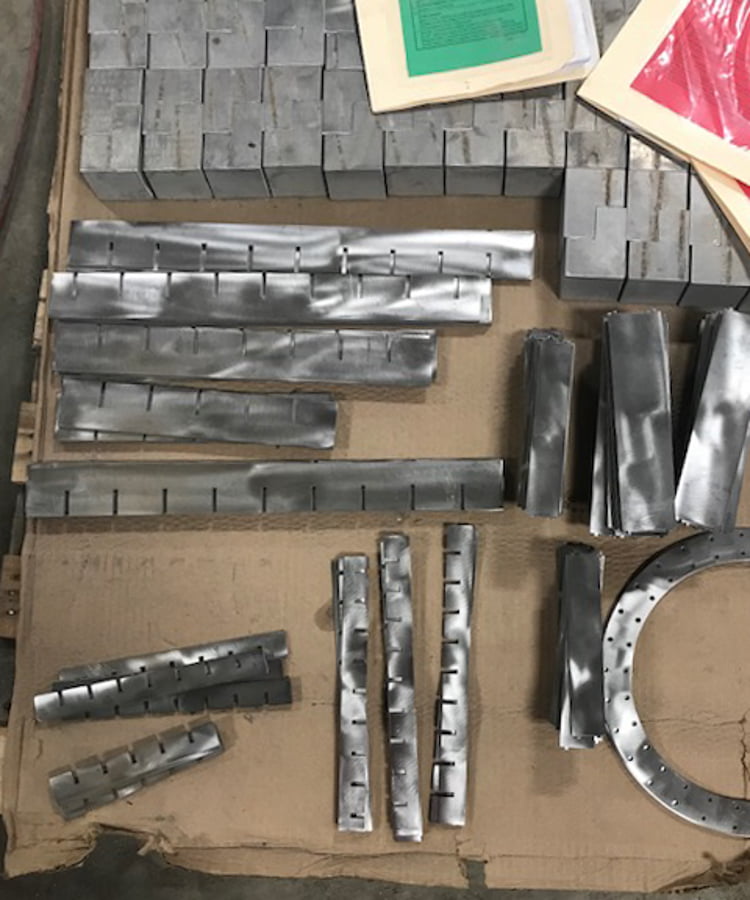
Watch the manufacturing process
Tell us about your pump intake.
Planning a new installation or addressing problems with an existing pump? Share the application details so Flow Optimizers can review the basket arrangement and design requirements.
Helpful information to include
- Pump manufacturer, model, and pump type
- Intake bell diameter and available floor clearance
- Pump-can or wet-well dimensions and proposed attachment
- Operating flow rates, liquid, and water levels
- Observed vortex, vibration, or intake-flow issues
- Drawings, photographs, and project specifications
Flow conditioning basket questions
What is a flow conditioning basket used for?
A flow conditioning basket is designed to condition water entering a pump suction and suppress surface and subsurface vortices. This page covers baskets for pump-intake applications.
Which pump types are covered?
The product is presented for vertical turbine, axial, and mixed flow pumps. The downloadable specification specifically addresses vertical turbine and axial flow pumps with intake bells 11 inches and larger. Review suitability with Flow Optimizers for your pump and installation.
How does a basket fit into the intake?
The arrangement depends on the installation. Baskets may be floor-mounted or secured to the pump intake bell. For a pump-can arrangement, water travels down the outside of the pump, turns into the basket, and enters the suction. Coordinate attachment, floor clearance, and dimensions with the pump manufacturer.
What material is specified?
The downloadable basket specification calls for Type 316L stainless steel. Confirm material requirements and compatibility for the fluid and operating environment during application review.
Can a basket be considered for an existing pump?
Yes. Flow Optimizers can review an existing installation as well as a new system. Send pump and intake dimensions, available clearances, operating conditions, and drawings or photographs so fit and installation requirements can be evaluated.
What should be included with a design submittal?
The specification calls for a certified drawing for each basket and a design approved by a nationally recognized hydraulics testing laboratory. It also states that sizes larger than 18 inches must be modeled by a nationally recognized hydraulics laboratory.
How should maintenance be planned?
Follow the manufacturer’s instructions and the facility’s maintenance procedures. Confirm inspection, cleaning, and access requirements for the specific installation with the project engineer.