Understanding Vortex Formation in Hydraulic Systems
Vortex formation in hydraulic systems can lead to inefficiencies and operational issues, such as cavitation and reduced flow rates. Understanding the mechanics of vortex formation is crucial for engineers and designers aiming to optimize fluid systems.
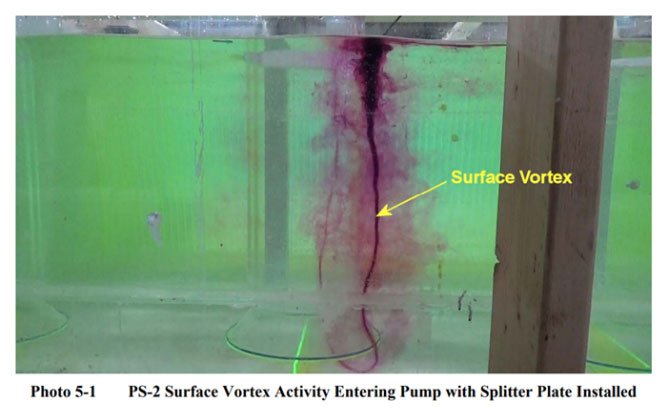
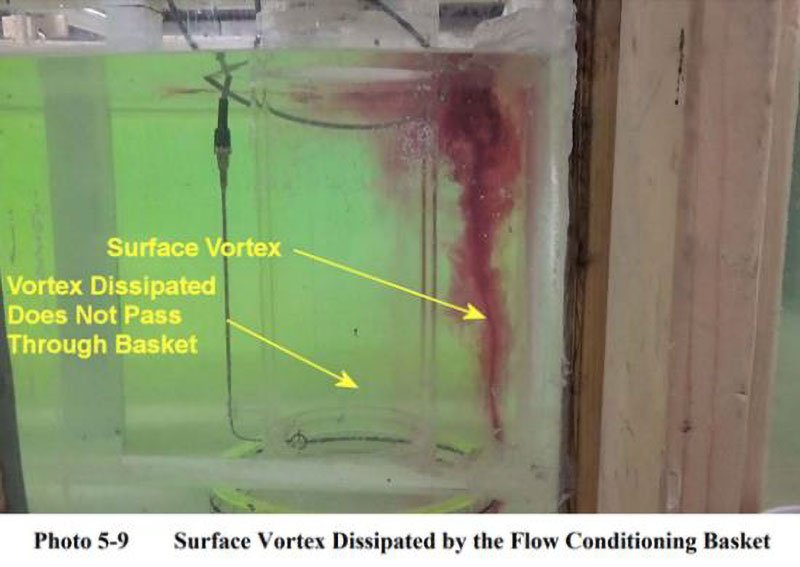
When fluid flows through a pipe, changes in velocity and direction can create low-pressure zones that result in vortices. These vortices not only disrupt flow but can also cause damage to equipment over time. By utilizing vortex suppression technologies, such as Flow Optimizers' conditioning baskets, engineers can significantly mitigate these effects.
Applications of Vortex Suppression Baskets
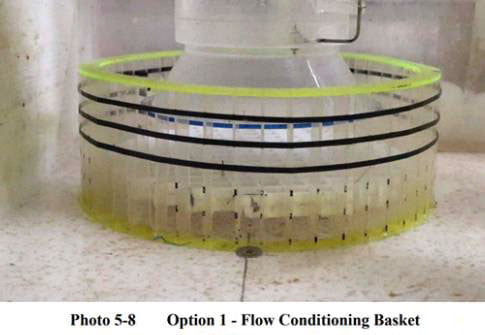
Vortex Suppression Flow Conditioning Baskets are versatile tools used across various industries to enhance fluid flow and reduce turbulence. Their applications range from municipal water systems to complex industrial processes.
In power generation, for instance, these baskets help maintain consistent flow rates in cooling systems, preventing equipment wear and ensuring efficient operation. Similarly, in wastewater treatment facilities, they improve the performance of pumps and reduce energy consumption, showcasing their broad applicability in fluid dynamics.
Case Studies Demonstrating Effectiveness
Real-world case studies provide compelling evidence of the effectiveness of Vortex Suppression Flow Conditioning Baskets. These studies often highlight significant improvements in flow efficiency and reduced maintenance costs.
For example, a recent project at a municipal water treatment facility reported a 30% increase in flow efficiency after installing Flow Optimizers' baskets. Such empirical data not only underscores the benefits of these products but also serves as a valuable resource for engineers considering similar solutions.
Choosing the Right Flow Conditioning Solution
Selecting the appropriate flow conditioning solution is essential for achieving optimal performance in hydraulic systems. Factors such as system size, fluid characteristics, and specific application requirements must be considered.
Flow Optimizers offers a range of products tailored to different needs, ensuring that clients can find the right fit for their systems. By consulting with experts and evaluating case studies, engineers can make informed decisions that enhance system performance and longevity.